October 27, 2026
Windows affect a building's appearance, comfort, energy use, and protection from outdoor conditions. Over time, older windows may develop drafts, damaged frames, or problems with opening and closing. Replacing them requires careful planning and proper installation to achieve lasting results. This article explains how professionals prepare for window replacement, select suitable options, manage installation, and check the finished work to help improve a property's performance and appearance.
Assessing Existing Window Conditions
A successful window replacement project begins with an assessment of the existing windows. Professionals examine their condition to identify problems such as damaged frames, worn seals, drafts, or signs of moisture. This inspection helps determine whether replacement is appropriate and what challenges may need attention during the project. The condition of the surrounding wall and window opening also matters. Moisture damage, deteriorating materials, or uneven surfaces can affect how a new window fits. Identifying these concerns before installation helps professionals plan the work and address problems that could interfere with the finished result.
Professionals also consider how the existing windows perform. Difficulty opening or closing a window, noticeable temperature changes near the glass, and outside noise may point to issues that affect comfort. Reviewing these concerns helps clarify the goals of the project and identify improvements that may be possible with new windows. A careful assessment gives the project a clear starting point. It allows professionals to plan for the property's existing conditions instead of treating every opening the same way. This preparation can help reduce unexpected delays and support a smoother installation process.
Measuring and Planning the Installation
Accurate measurements are an important part of window replacement. Professionals measure each opening and review its shape, condition, and surrounding structure. These details help determine the appropriate window dimensions and reduce the risk of gaps, poor alignment, or installation problems. Planning also involves considering how the new windows will fit the building. Openings may vary in size, even when they appear similar from the outside. Differences in framing, wall materials, or previous installation work can affect the measurements needed for a proper fit.
The project schedule is another important consideration. Replacing windows may involve several openings, and the work needs to be organized to limit disruptions to the building's normal use. Professionals can plan the order of installation, prepare the necessary materials, and account for conditions that could affect progress. Clear planning helps establish realistic expectations for the project. It also gives property owners a better understanding of the work involved, the expected timeline, and any preparation that may be needed before installation begins. Addressing these details early can make the overall process more organized.
Selecting Suitable Window Options
Choosing appropriate windows involves more than considering appearance. The right options should fit the building's design, meet performance needs, and work with the existing openings. Professionals can help evaluate factors such as window style, frame materials, glass features, and operating methods. Energy performance is often an important part of this decision. Windows can affect how much heat enters or leaves a building, influencing indoor comfort and heating or cooling demands. Features such as insulated glass and suitable seals may help reduce unwanted heat transfer when selected for the property's needs.
Durability also matters. Windows are exposed to sunlight, rain, wind, and changing temperatures, so the selected materials should be suitable for the local climate and expected conditions. Maintenance needs, appearance, and long-term performance can all influence which options make sense for a particular property. The broader housing market can also affect decisions about property improvements. According to Harvard, home improvement spending is projected to grow 2.1% in mid-2026. This projection reflects continued activity in the home improvement market, where property owners may consider upgrades that support comfort, appearance, and building performance. Window replacement can be one part of a larger improvement plan, depending on the property's condition and priorities.
Preparing the Opening and Surrounding Areas
Proper preparation helps create a suitable base for the new windows. Before installation, professionals remove the existing units as required and examine the exposed opening. This step provides an opportunity to identify hidden damage, deteriorated materials, or moisture concerns that were not visible during the initial assessment. The opening must be prepared to support a proper fit. Loose material, uneven surfaces, or damaged framing may interfere with installation if they are not addressed. Professionals can determine what repairs or adjustments are needed before moving forward.
Protecting the surrounding area is also part of the preparation process. Window removal and installation can create dust and debris, while nearby surfaces may be exposed during the work. Organizing the work area and handling removed materials carefully can help limit disruption to the building and its occupants. Attention to these details supports a more reliable installation. Preparing the opening before placing the new window can help prevent problems that might otherwise affect alignment, sealing, or long-term performance.
Installing and Sealing Windows Properly
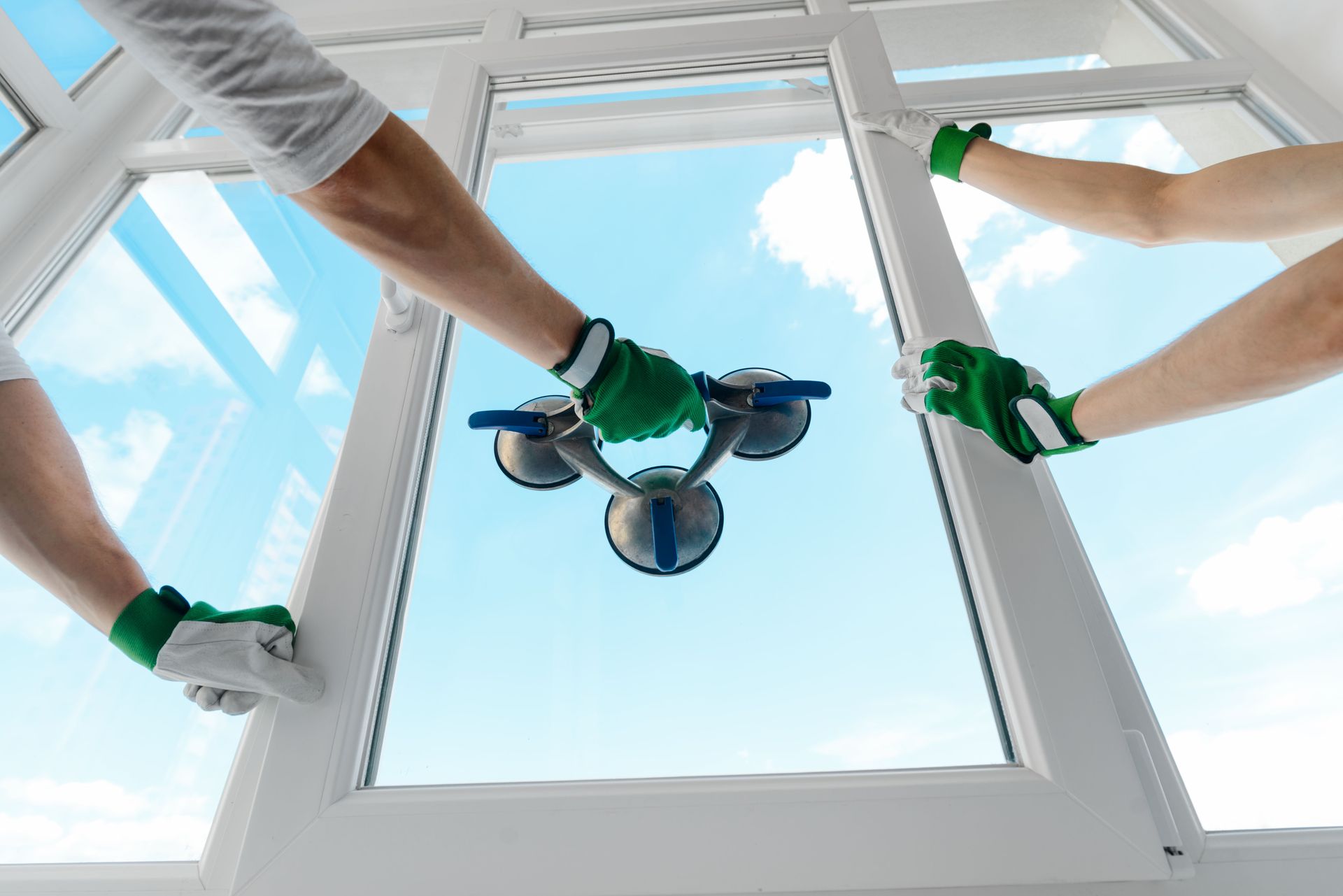
Correct installation plays a major role in the performance of new windows. Even a suitable window may not perform as expected if it is poorly positioned or secured. Professionals follow installation requirements to help the unit fit the opening correctly and operate as intended. Alignment is one important consideration. A window that sits unevenly may be difficult to open and close or may leave gaps around the frame. Professionals check the position of the unit and make the necessary adjustments before completing the installation.
Sealing is another key step. Gaps around a window can allow air and moisture to enter the building, affecting comfort and potentially contributing to damage over time. Appropriate sealing methods help limit these openings and support a better connection between the window and the surrounding structure. Window replacement also requires attention to the manufacturer's installation instructions and applicable building requirements. These guidelines help determine how the window should be secured and sealed for its intended use. Professional installation brings these steps together to support proper operation, weather protection, and lasting performance.
Checking Performance and Finishing Details
Once installation is complete, professionals inspect the work for issues that may affect performance. Each window should open and close properly, with aligned frames and functioning hardware. They also check that locks engage correctly and moving parts operate smoothly. These checks help identify problems before they affect everyday use. Professionals review seals, frame connections, and visible finishes for gaps or damage that could allow air or moisture inside. They may also check for uneven edges or damaged trim to support a clean, finished appearance.
A final inspection may also include checking for damage that occurred during installation and confirming that the work area has been cleared. These steps help leave the property in good condition and give the project a clear conclusion. Window replacement should not be judged by appearance alone. A finished window also needs to function properly and provide the intended protection from outdoor conditions. Reviewing operation, alignment, and sealing helps confirm that the installation meets the project's goals. Professionals can address any concerns found during this review before considering the work complete.
Successful window replacement depends on careful assessment, accurate measurements, suitable materials, and proper installation. Each step affects how well the windows fit, operate, and protect the building. Proper preparation and final inspections can help reduce problems and support lasting results. Professional guidance helps coordinate the work and address potential challenges. Contact NF Exteriors to discuss your window replacement project and explore ways to improve your property's comfort, appearance, and performance.